
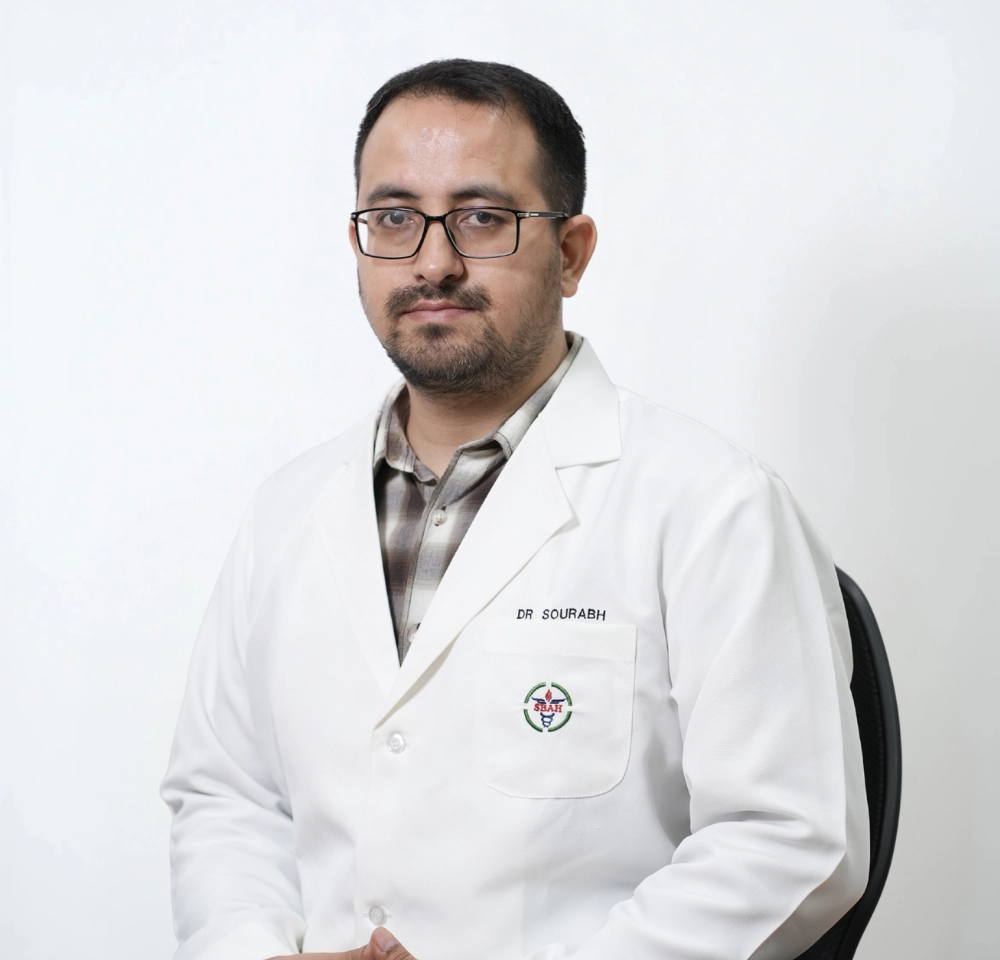

Getting up three times a night to urinate isn’t just an inconvenience of getting older. It’s often an enlarged prostate, and it’s treatable. Dr. Saurabh Kumar Negi runs Urology at Shri Balaji Aarogyam Hospital in Kurukshetra, using an IPG UrOLASE SP+ Thulium Fiber Laser for prostate surgery and kidney stone treatment that’s minimally invasive rather than the older, more disruptive alternatives.

M.Ch. (Urology)
Year of Expereince
Availability
For benign prostate enlargement causing urinary symptoms.
Kidney and ureteric stone treatment without open surgery.
Reconstructive surgery for urethral strictures.
Laparoscopic urological procedures alongside routine urology consultation and follow-up care.
IPG UrOLASE SP+ 60W laser technology used across the above procedures.
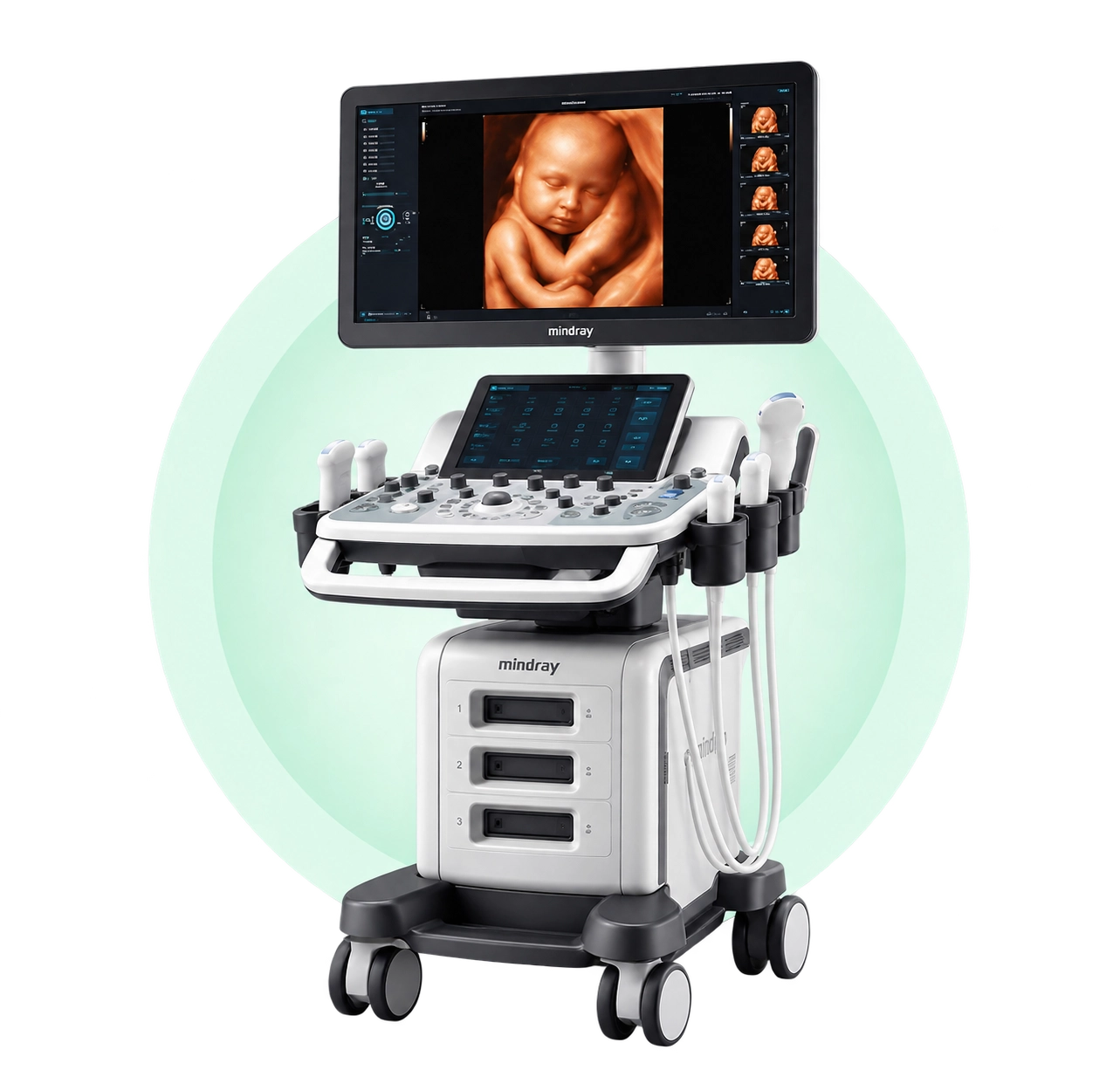
The department runs an IPG UrOLASE SP+, a 60-watt SuperPulse thulium fiber laser. It’s the same core technology behind both prostate surgery and stone treatment here, just applied differently depending on what’s being treated.

A 60-watt thulium fiber laser system used across prostate and kidney stone procedures, known for precise cutting with less bleeding than older laser types.

For an enlarged prostate causing frequent urination or difficulty starting the stream, the laser removes or shrinks the excess tissue with a shorter recovery than traditional open surgery.

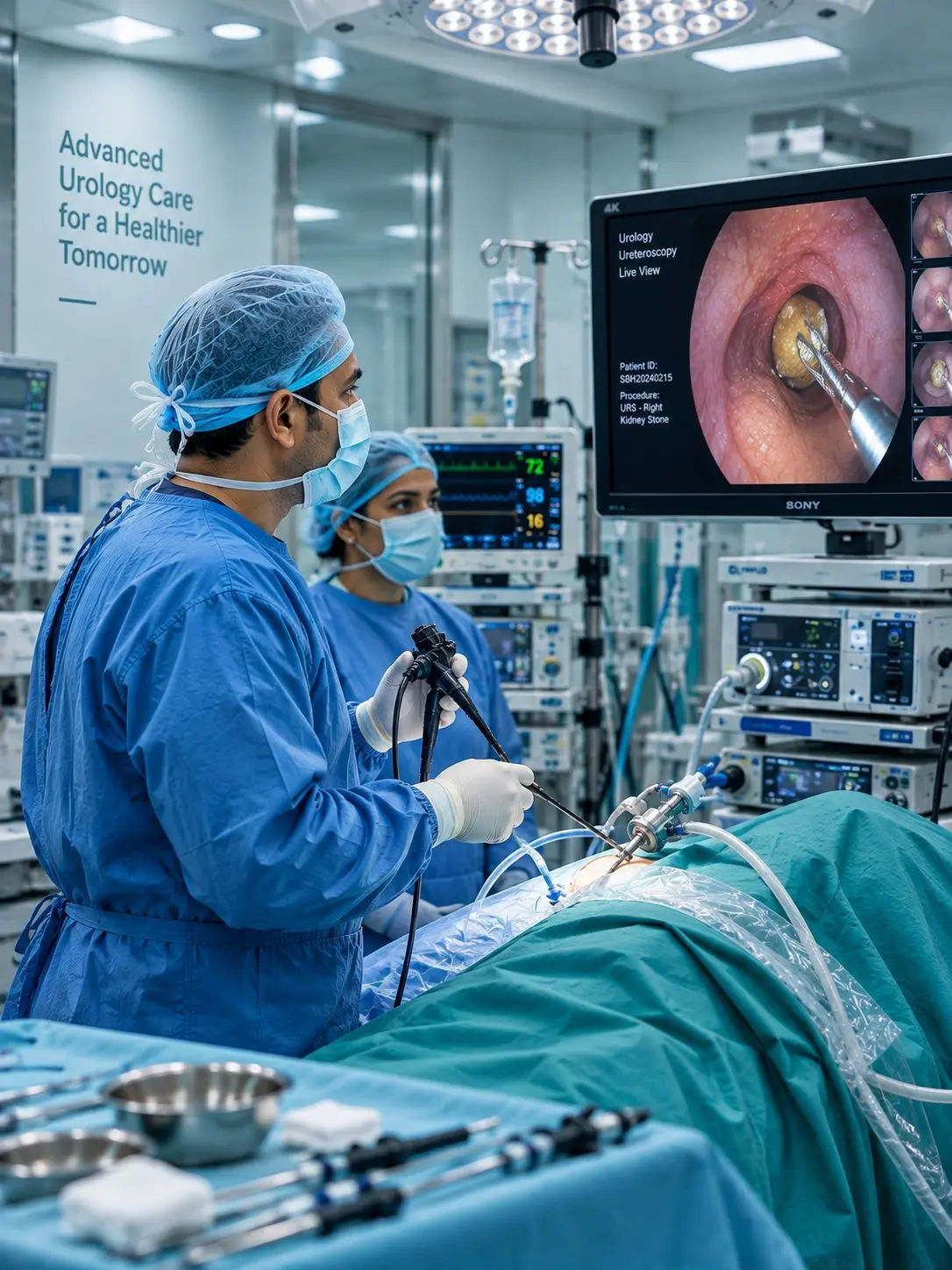
Kidney and ureteric stones are broken up and removed using the laser, usually through natural passages rather than an incision.

Stones that are too hard or too large to pass on their own get fragmented by laser into pieces small enough to pass or remove.

Surgical repair of urethral strictures, narrowing that makes urination difficult or painful, using reconstructive technique rather than repeated dilation.

Laparoscopic surgery applied to urological conditions, smaller incisions than open surgery for procedures on the kidney, bladder, or related structures.
Urinary symptoms are one of those things patients bring up almost as an afterthought, mentioned at the end of a visit for something else entirely. Waking up repeatedly at night, a weak stream, sudden sharp pain in the back or side that comes and goes, these all have a reason behind them, and most have a straightforward treatment once diagnosed.
Dr. Negi’s approach leans on one core piece of technology, the thulium fiber laser, applied differently depending on whether the problem is an enlarged prostate, a kidney stone, or a stricture. It means most procedures here are done through natural openings or small incisions instead of a larger operation.
The same IPG UrOLASE SP+ system is used for prostate surgery, stone treatment, and related procedures.
Laser and laparoscopic techniques generally mean less time in the hospital and a faster return to normal activity.
Urethroplasty is offered for strictures, rather than relying only on repeated dilation procedures.
From routine consultations to laser surgery, patients don't need to travel out of Kurukshetra for treatment.
IPG UrOLASE SP+
Laser Prostate Surgery
Stone Treatment
Urolaparoscopy & Urethroplasty
I'd been getting up three or four times a night for months and just assumed it was age catching up with me. Dr. Negi explained it was my prostate and suggested the laser procedure instead of the older type of surgery my brother-in-law had years back. Catheter came out sooner than I expected, and I'm sleeping through most nights now.
Sudden sharp pain in my side sent me straight to the hospital, and turned out to be a kidney stone too large to pass on its own. Dr. Negi used the laser to break it up, no open cut at all. I was home within a couple of days and back to work not long after, which I honestly didn't expect.
I'd had a urethral stricture that kept coming back no matter how many times it was dilated at my previous hospital. Dr. Negi suggested urethroplasty instead, actual reconstruction rather than the same temporary fix. It's been several months now with no recurrence, which is more than I can say for the last few years before this.
Frequent nighttime urination, a weak or interrupted stream, difficulty starting urination, or blood in the urine are all reasons to see a urologist directly. Your regular doctor can also refer you if initial tests suggest a prostate, kidney, or bladder issue.
Traditional surgery often involves more bleeding and a longer hospital stay. Laser surgery using the thulium fiber laser cuts and seals tissue with less bleeding, generally meaning a shorter catheter period and quicker recovery, though the right approach still depends on the size and specifics of the prostate.
No. Small stones often pass on their own with fluids and medication. Larger stones, or ones causing severe pain or blocking urine flow, are the ones that typically need laser treatment or another procedure to remove.
Urethroplasty is surgical reconstruction of a narrowed urethra. Dilation, stretching the narrowed section, sometimes works temporarily but the narrowing often returns. Urethroplasty is considered when strictures keep recurring or dilation isn’t giving lasting relief.
It’s the same core technique, small incisions and a camera-guided approach, applied specifically to urological organs like the kidney or bladder rather than general abdominal surgery.