
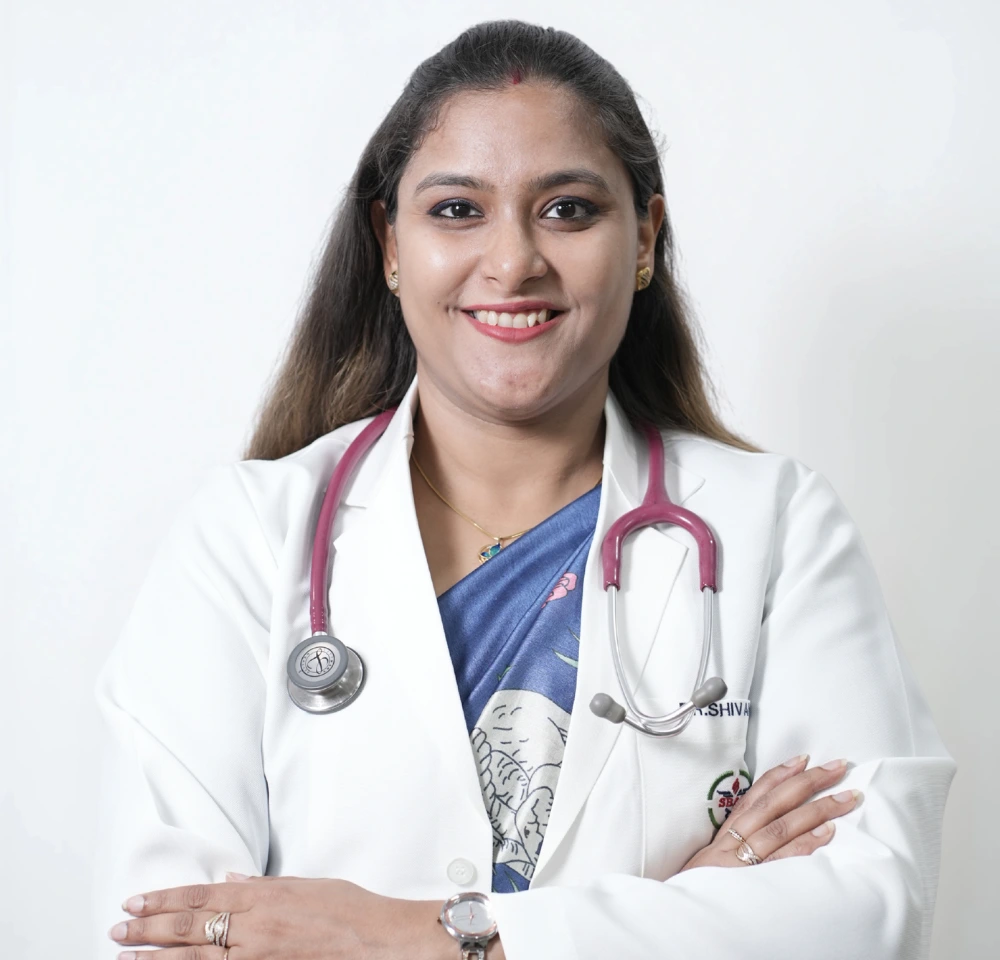

Kidney problems rarely announce themselves loudly. Fatigue, mild swelling in the feet, blood pressure that won’t come down, these get dismissed for months before anyone checks how the kidneys are actually doing. The Nephrology department at Shri Balaji Aarogyam Hospital in Kurukshetra, led by Dr. Shivangi Gupta, treats the full range once it is caught, from routine chronic kidney disease management to dialysis and post-transplant follow-up, without patients needing to travel to Delhi or Chandigarh for it.

MD, DM (Nephrology), Gold Medalist
Year of Expereince
Availability
For patients on regular dialysis and for sudden kidney-related emergencies alike.
Sudden kidney injury from illness or dehydration, and long-term chronic kidney disease, both managed under the same department.
Ongoing monitoring and management for patients who have already had a kidney transplant.
Renal support for critically ill patients in intensive care whose kidneys are failing alongside other organ systems.
Kidney damage caused by long-term diabetes, tracked and managed as part of the bigger diabetes picture.
Blood pressure that hasn't responded to standard treatment, evaluated for underlying kidney involvement.
Urinary infections that keep coming back, and electrolyte problems like abnormal sodium or potassium levels, both connected to kidney function.
Conditions affecting the kidney's filtering structures, diagnosed and treated with ongoing monitoring.
Kidney disease shows up in more forms than most people expect, an infection that keeps coming back, blood pressure that resists every medication tried so far, or a diabetic patient whose kidneys are quietly taking damage. The department is set up to catch and manage this range, not just the advanced cases.

Dialysis and emergency kidney care are available at any hour, not limited to scheduled sessions.

Critically ill patients in the ICU whose kidneys are failing get renal support as part of their overall care, rather than being managed separately.

Patients who have had a kidney transplant need ongoing monitoring to protect the new kidney and catch rejection early. This continues here rather than needing a separate transplant center visit each time.
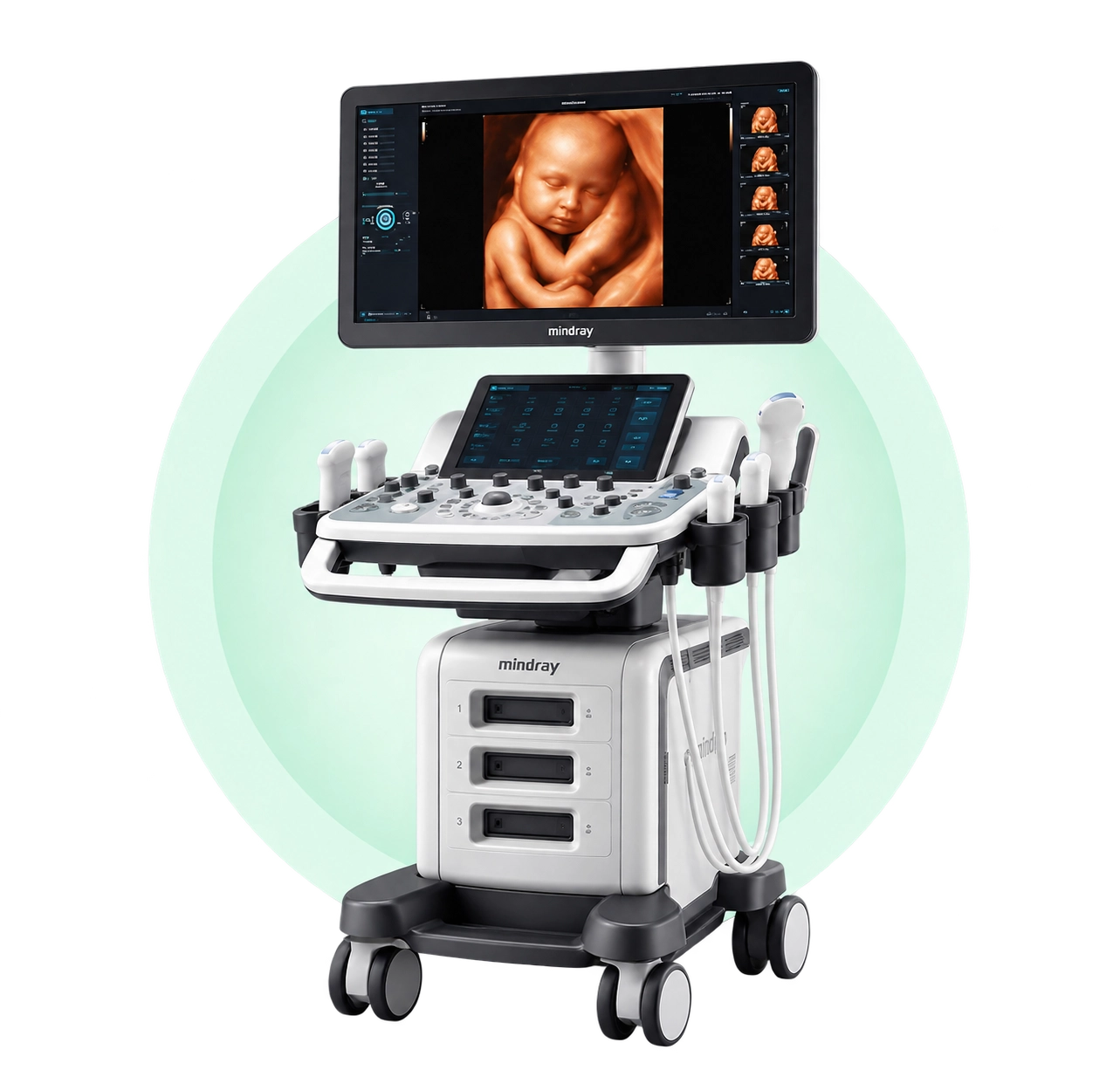

Diabetes is one of the most common causes of kidney damage, and this is managed alongside a patient's existing diabetes care rather than as an afterthought.

For blood pressure that hasn't responded to standard medication, the kidneys are often part of the reason why, and are evaluated as part of the treatment plan.

Conditions affecting the kidney's filtering units, often found through protein or blood in the urine, are diagnosed and treated here.
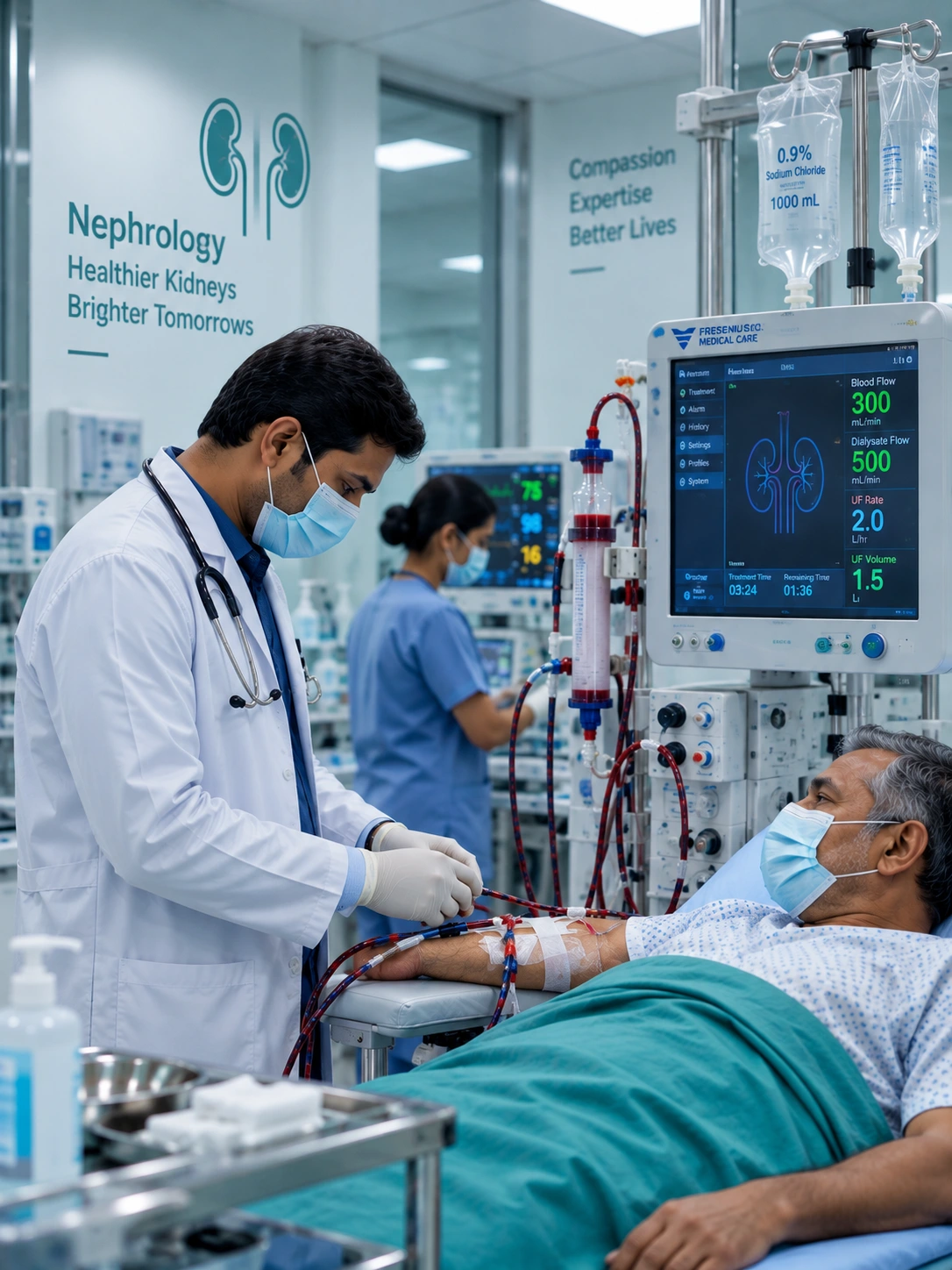
A lot of kidney disease is quiet for a long time. Someone with diabetes or high blood pressure for years might not know their kidneys are involved until a routine blood test flags it. Dr. Shivangi Gupta’s department catches these cases early where possible, diabetic nephropathy, resistant hypertension, recurring UTIs, rather than waiting until dialysis is the only option left.
When dialysis or emergency care is needed, it runs around the clock. Patients recovering from a kidney transplant continue their follow-up here too, instead of needing to travel back to wherever the transplant was performed.
From a diabetic patient's first sign of kidney involvement to full kidney failure needing dialysis, the same team manages the full progression.
Regular dialysis patients and kidney emergencies are both covered at any hour.
Transplant patients don't need to travel out of Kurukshetra for ongoing monitoring.
Critically ill patients with kidney failure are supported as part of their broader ICU care.
Dialysis & Kidney Emergency Care
Specialized Kidney Care
Renal Support
Nephrologist, MD, DM
My blood pressure just wouldn't come down no matter how many medicines they tried. Dr. Gupta checked my kidneys as part of working it out, and it turned out there was more going on there than anyone had looked at before. Once that got addressed alongside the BP medication, things finally started stabilizing. Wish someone had checked earlier.
My father's creatinine shot up suddenly after a bad bout of dehydration and vomiting, and we were terrified it meant permanent dialysis. He needed temporary dialysis support for a short while, but his kidney function came back on its own after treatment. Dr. Gupta explained the whole time that this kind of acute injury doesn't always mean the worst outcome.
I had my transplant done in Delhi years back, but travelling there every few months for follow-up was getting hard, especially as I got older. Dr. Gupta took over my monitoring here, checking my kidney function regularly and keeping an eye out for any rejection signs. It's been steady so far, and it's a relief not making that trip anymore.
Fatigue, swelling in the feet or ankles, changes in urination, and blood pressure that’s hard to control are common early signs, but they’re also easy to mistake for something else. Diabetics and long-term hypertension patients in particular should get their kidney function checked regularly rather than waiting for symptoms.
Not always. Acute kidney injury, sudden kidney damage from illness, dehydration, or certain medications, can sometimes recover with temporary dialysis support. Chronic kidney disease that has progressed to kidney failure usually needs ongoing dialysis or a transplant, but this is assessed individually, not assumed.
Yes. Post-transplant patients are monitored here for kidney function and signs of rejection, so you don’t need to travel back to the transplant center for every follow-up visit.
Diabetic nephropathy is kidney damage specifically caused by long-term high blood sugar. It’s managed alongside your diabetes treatment rather than as a completely separate condition, since controlling blood sugar directly affects how the kidneys are doing.
It’s possible. The kidneys and blood pressure are closely connected, and resistant hypertension, blood pressure that doesn’t respond to standard treatment, is sometimes traced back to an underlying kidney issue. This needs a proper evaluation rather than just adding more medication.