



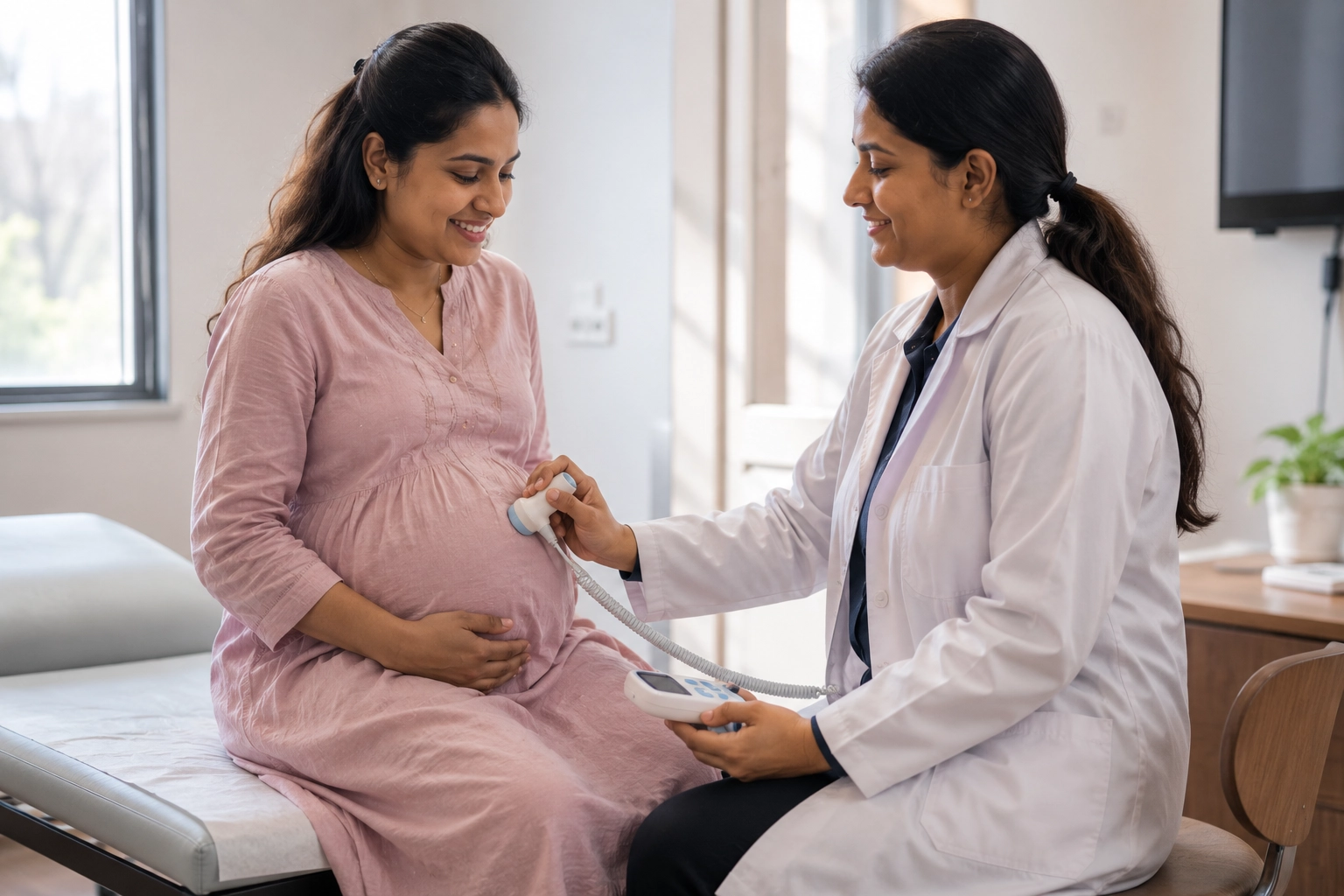
Pregnancy brings a strange mix of joy and anxiety for most families. Every new ache or unusual feeling raises the same question. Is this normal, or should we be worried? Most of the time, the answer is that it is a normal part of carrying a baby. But there are certain signs that genuinely need urgent attention, and knowing the difference can make a real difference to both mother and baby. This is one of the most common concerns we address in our Obstetrics department, and it is worth every family knowing in advance rather than searching for answers in a moment of panic.
Why Some Discomfort Is Completely Normal
The body goes through enormous changes during pregnancy, and a certain amount of discomfort is simply part of that process. Mild back pain, occasional headaches, swelling in the feet by the end of the day, morning nausea in the early months, and general fatigue are all common experiences that do not necessarily indicate a problem. Understanding this baseline helps expecting mothers avoid unnecessary worry over things that are simply part of a healthy pregnancy.
The key difference between normal discomfort and a warning sign usually comes down to intensity, sudden onset, and whether the symptom keeps getting worse instead of settling down.
Signs That Need Immediate Medical Attention
Certain symptoms should never be waited out, regardless of how far along the pregnancy is.
Heavy vaginal bleeding, especially if it is bright red and soaking through a pad within an hour, needs immediate evaluation.
Severe abdominal pain that does not ease with rest, particularly if it is one sided or comes with cramping, should be checked right away.
A sudden, severe headache that does not respond to normal rest, especially when paired with blurred vision or spots in your vision, can be a sign of a condition called preeclampsia.
Swelling that comes on suddenly in the face and hands, rather than the usual gradual foot swelling, is another possible sign of preeclampsia.
A noticeable decrease in the baby’s movement, particularly in the third trimester when movement patterns become more established, should always be reported and checked.
Fluid leaking from the vagina before the expected delivery date could mean the water has broken early, and this needs prompt assessment.
A fever above 100.4 Fahrenheit during pregnancy should be evaluated rather than treated at home, since infections can affect both mother and baby.
Persistent vomiting that prevents you from keeping any food or water down, beyond the typical morning sickness of early pregnancy, can lead to dehydration and needs medical support.
Different stages of pregnancy come with their own set of things to watch for.
Trimester Specific Concerns
In the first trimester, sharp one sided pain along with bleeding could indicate an ectopic pregnancy, which is a medical emergency. Spotting is common and often harmless, but any bleeding should still be mentioned to your doctor at your next visit, or sooner if it is heavy.
In the second trimester, this is typically when preeclampsia symptoms can begin to show, so any sudden swelling, vision changes, or severe headaches should be taken seriously.
In the third trimester, contractions that come at regular intervals before 37 weeks could indicate preterm labor, and reduced baby movement becomes an especially important sign to track, since the baby’s patterns are usually well established by this point.
Why Regular Checkups Matter More Than People Realize
A lot of pregnancy complications develop gradually, and regular prenatal visits are designed to catch these changes early, often before they become an emergency. Blood pressure checks, urine tests, and growth scans are not just routine formalities. They are how a doctor notices a problem developing before it turns into a crisis.
Skipping checkups because everything feels fine is one of the more common reasons complications get caught late. A five minute check that feels unnecessary in the moment is often exactly what identifies a risk early enough to manage safely.
What We Recommend to Every Expecting Family
Keep a simple note of your baby’s movement pattern once you start feeling regular kicks, generally from around 28 weeks. A noticeable drop from the usual pattern is worth a call to your doctor, even if it turns out to be nothing.
Do not hesitate to call the hospital with a question that feels small. It is always better to check and be told everything is fine than to wait and find out otherwise.
Keep your hospital bag and important documents ready by the third trimester, so that if something does come up suddenly, you are not scrambling at the last moment.
How We Support Expecting Mothers at Shri Balaji Aarogyam Hospital
Our Obstetrics and Gynaecology department, led by Dr. Neha Kaushal, manages everything from normal deliveries to high risk pregnancies, with round the clock availability for exactly these kinds of urgent situations. Whether it is a scheduled checkup or a concern that comes up at two in the morning, our team is equipped to assess and respond quickly.
Pregnancy should be a time of preparation, not constant worry. Knowing what to watch for is often the difference between the two.